
Individuals
Positive Change Psychology
Who do you work with?
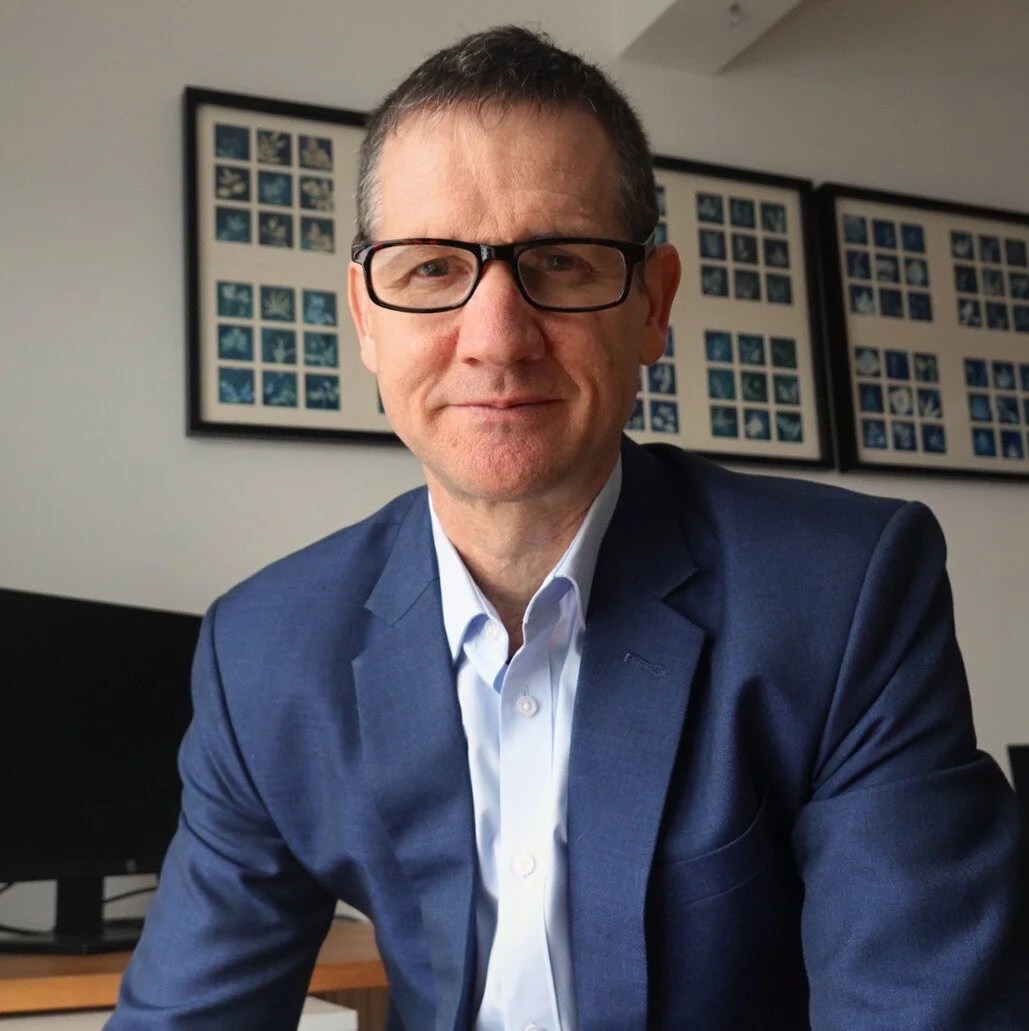
There is a Latin line, “I am human and nothing human is alien to me.” I speak to everybody and I welcome everybody.
I have spent part of my career focused on elite performers under high levels of acute or chronic pressure. But the principles of performing under pressure are broadly applicable. Everybody can learn from a Champions League final penalty taker, an Olympic gold medalist or a marathon runner.
Even though I’ve worked in sport most of my career, I originally qualified as a counselling psychologist in South Africa, dealing with ordinary people living ordinary lives and the questions, challenges, pressures, tensions and difficulties of ordinary life.
I’ve worked a lot with teenagers facing challenges around developing social networks, understanding how to operate in the world, and being pressurised at school, in sport or in the early stages of their careers. I’ve also spent a lot of time working with elite performance, whether that’s business people or athletes.
Because I’ve been involved with teams, I’m very interested in relationships. I’ve worked with couples and families interested in understanding roles, relationships and communication.
The people who get in touch want to turn a problem into a challenge. They want to be supported with resources, or sometimes just need a listening ear or a sounding board.
Pressure is a privilege because you have to earn your way into situations where you are challenged. You may have created a new environment, taken a step forward, achieved a breakthrough, driven some kind of change, or been the recipient of change. Either way, you are now facing something new. Your existing skill set needs to be upgraded because your level of challenge has been upgraded.
I work with people facing ordinary life challenges that could make an enormous difference to their life trajectories and overall well-being. I work in the space of positive change.
When you encounter a challenge or problem, whether it is something you sought or something imposed on you, you eventually reach a point where you realise this is something you need to think about, reflect on, and learn a new way to cope with.
I see myself as a partner in that process.
What theories and tools do you use?
Humans have reflected on humanity, relationships, themselves, growth, development and loss for as long as there have been humans. We are social creatures, emotional creatures and intellectual creatures.
I am drawn to truths and wisdom that have existed and proven themselves over centuries, or even thousands of years. I am also deeply respectful of modern research, which can provide insights that were not available before specific research methods existed.
Of the ancient ways of thinking that appeal to me most, Stoicism is probably the strongest. Its principles of acceptance, matter-of-fact thinking and logic lead into self-control, and the balance between taking responsibility and accepting circumstances.
Stoicism had a significant influence on cognitive behavioural therapy, which became the foundation of the therapeutic modalities that have proven most effective in delivering the change that psychology clients are looking for.
There is also positive psychology, which Martin Seligman developed as a profoundly powerful and useful approach. It understands that positive emotion, engagement, relationships, meaning and accomplishment are core to our health and well-being.

Another theory I use is a theory of high performance: understanding how to adapt your own motivation, confidence and focus. I have theories of coping with pressure, understanding the difference between fear and danger, and the difference between confidence and commitment. These are about seeking to control what you can control.
There is also understanding the process of taking risk, and being more conscious about risk-taking, risk avoidance and risk management.
We talk about how to perceive the external and internal world, the challenge and the skill set more accurately, so that you can devote the appropriate resources and adopt the appropriate strategy.
Knowing the difference between the things you can influence and the things you can’t is a skill, a source of comfort and a huge energy saver.
It is fairly rare in life that you encounter a problem for the first time. The problems that warrant our attention are usually the ones that recur. Because they recur, we also have time to think about them and prepare for them.
There are many levers. I would not go into a conversation with the sense that, when the only tool you have is a hammer, every problem looks like a nail. I would seek to understand, hear and listen. Sometimes, it is the act of listening itself where the power lies.
How does the working relationship unfold?
It is a conversation, a human conversation. I hope that the person would feel, first and foremost, respected, appreciated, cared for and listened to. There would be a desire and an attempt to understand.
I have had many conversations with many people. I hope I can share some of that wisdom and experience, which is not mine alone but has been shared with me, and use it to help the client understand themselves.
There is also a determination to influence our futures, to be more dynamic in the way we pursue and achieve goals, and to work towards taking action that influences our fates.
The client does not have any responsibilities beyond coming to the session. The session is there for them, and they can use it as they wish, in the way they are ready for. The responsibilities are mine: to create the conditions and to present myself as trustworthy, committed and competent.
People can contact me, and we can have a conversation on the phone, exchange text messages or simply have a first session. Sessions can be in a consulting room or online. Most of the sessions I do are online. We can also have side-by-side conversations while walking, which is a very natural and human thing to do.
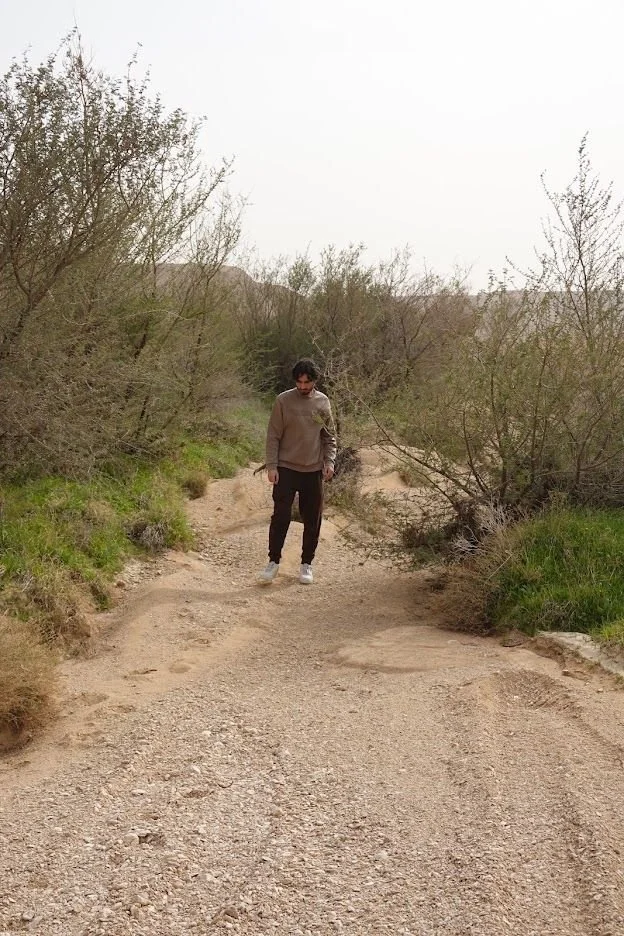
A counselling or therapeutic relationship exists for the benefit of the client, not the therapist. We both have to assess whether I am the best person to support this individual. If that is not the case, I have a substantial network that I can refer to.
I’m a 54-year-old man with a particular life experience. Certain clients may feel more comfortable with, or more immediately understood by, other people. It would be our responsibility to find out.
Sessions normally last around 50 minutes. Some clients prefer a 25-minute session, which is also possible. Others prefer longer sessions, but I prefer to book for a maximum of a 50-minute hour. We can work twice a week, once a week, once a month or less frequently.
I find it useful to have a structured relationship rather than an ad hoc relationship, which can lose focus and effectiveness quite quickly. A structured relationship doesn’t mean we have to see each other frequently, but we do have to see each other regularly or according to a set appointment.
“Why did you come to see me? What made you choose to make contact with me?” The answer is how we would evaluate whether we had been successful.
Contact
I’ll get back to you within 48 hours to arrange a video call to discuss your enquiry.