
Technology is about helping people make scientific judgements as quickly as possible.
When humans are overwhelmed by data, they compromise on resolution (e.g. “high speed running” instead of multiple narrow speed bands), context (comparing one athlete to another instead of comparing the athlete to themselves), and perspective (using only favourite metrics instead of selecting relevant metrics from a bigger picture). Something I was often told is that “This isn’t a university.” You’re not preaching to the choir. So you have to know how to present data in a palatable and tangibly useful way.
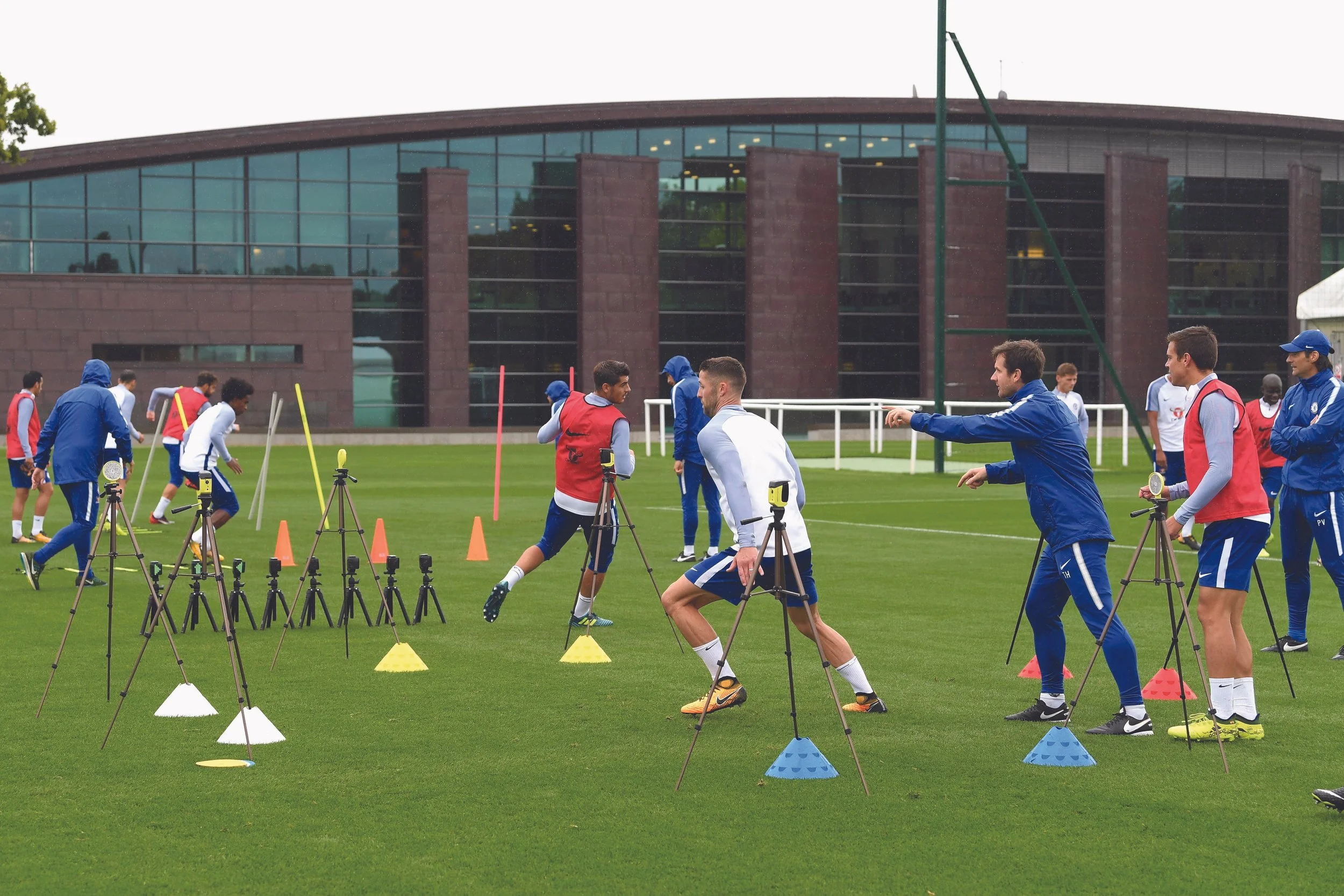
A risk for any tech company is to develop a great solution that is looking for a problem.
Which means the first question is always: what decisions actually need to be made? The actual decisions in elite sport break down into two. Comparisons and progressions. You are comparing players, tactics, and teams to each other, or comparing them to themselves. Comparisons allow selection — to squads, to teams, to tactics. Progressions allow development — monitoring the effect of a training dose change, deciding whether to give more, less, the same, or something different.
Any data system has to be built around those two decisions. Not around what the technology can do.
To make those decisions well, you need epochs and entities. You need to be able to contextualise a player against themselves across time, and compare individuals and groups to others in the same context. Because in elite sport you are often dealing with a sample size of one. Players are unique physically, physiologically, positionally. Any technology has to be able to create perspective for a player against themselves, quickly and easily. The technology has to be ruthlessly usable and its outputs obviously relevant.

There is friction between product and user. In elite sport, this friction must be managed for the sport scientist, athlete, coach, director, and owner.
Friction points compound. The athlete asks: will it be easy to put on, will it be uncomfortable, will it distract me, will it impact my performance? The sport scientist asks: will it integrate with existing systems? He just wants one data system. The coach asks: will this make it easier or harder to make a decision? The director asks: will this increase or decrease my confidence? The buyer asks: what is the return on investment?
These are all different frictions. And they all have to be managed. That is a negotiation. It is a relationship. And it is a learning process.
The tech companies we worked with most successfully, we had relationships going over many years working together to manage frictions and deliver value.